The Evolution and Excellence of Sony Mirrorless Lenses
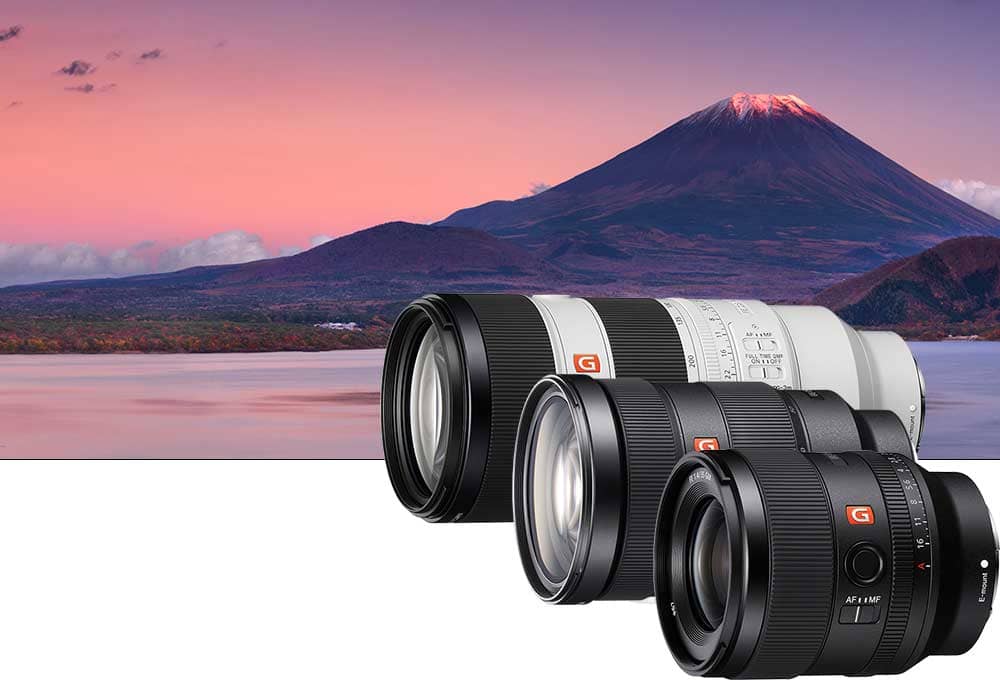
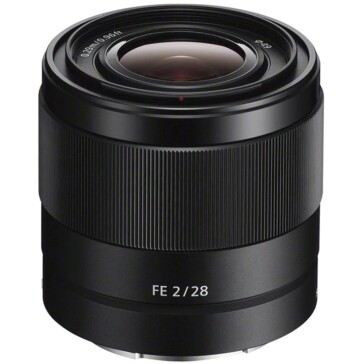
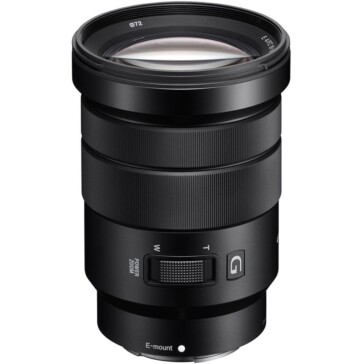
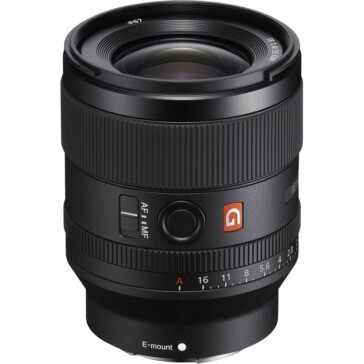
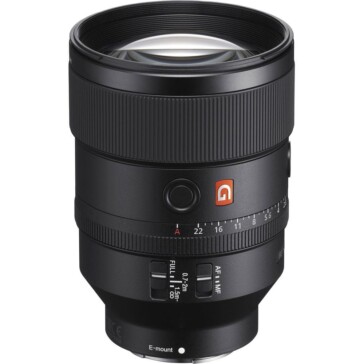
Sony, a brand synonymous with innovation, has been at the forefront of the photography world with its range of mirrorless cameras. Central to these cameras’ success is the impressive lineup of Sony Mirrorless Lenses. These lenses, known for their impeccable quality and versatility, have revolutionized the way photographers and videographers capture the world.
Sony Mirrorless Lenses Explained
Mirrorless technology, as the name suggests, lacks the traditional mirror mechanism found in DSLRs. This absence allows for a more compact camera design and, more importantly, the ability to design lenses that are closer to the sensor. Sony has capitalized on this advantage, producing lenses that offer sharper images, faster autofocus, and superior performance in low light conditions.
Full Frame Mastery
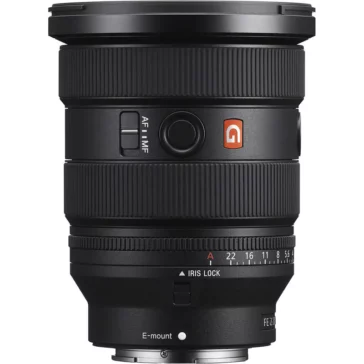
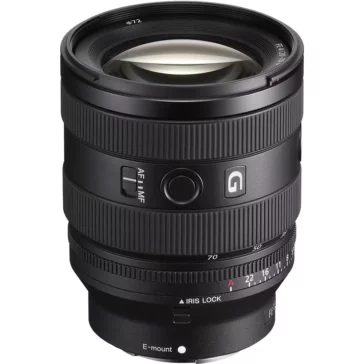
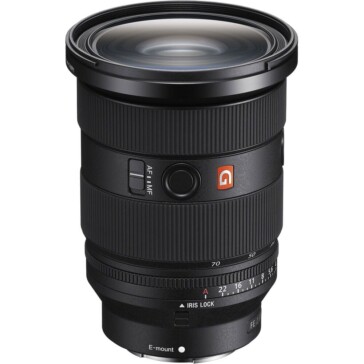
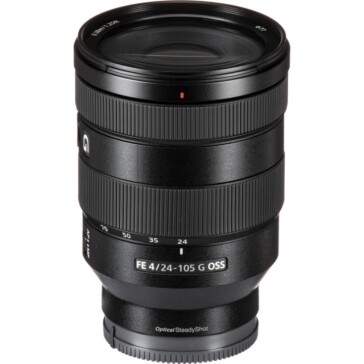
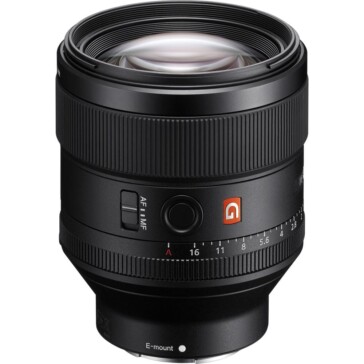
One of the standout features of the Sony lens lineup is the range of full frame lenses. These lenses, designed for cameras with a 35mm sensor size, offer unparalleled image quality. Whether you’re shooting landscapes, portraits, or fast-paced action, there’s a Sony full frame lens that’s perfect for the job.
Diverse Range for Every Need
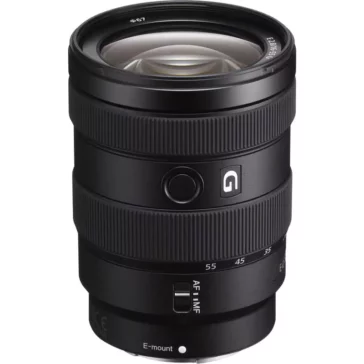
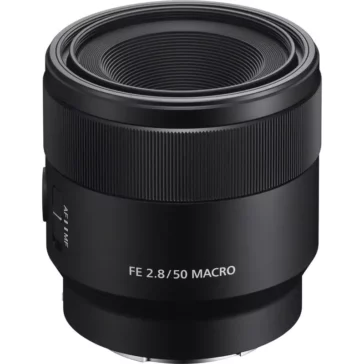
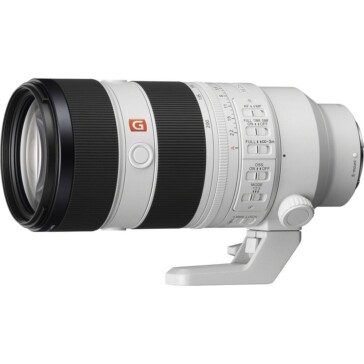
From wide-angle to telephoto, macro to zoom, Sony’s lens range is diverse. The Sony a6000 series, for instance, offers lenses perfect for portraits, with options like the 50mm lens providing beautiful bokeh and sharpness. For those into wildlife or sports photography, lenses like the 300mm or 400mm offer the reach needed to capture distant subjects.
Adapting to Change
Sony also understands the needs of photographers who might be transitioning from other brands. The Sony mirrorless lens adapter allows users to use lenses from other brands, ensuring that switching to Sony doesn’t mean abandoning your favorite lenses.
Price and Affordability
Sony has always been conscious of offering products that cater to both professionals and hobbyists. The Sony mirrorless lens price range is a testament to this, with options available for every budget without compromising on quality.
In Conclusion
Sony’s commitment to innovation, quality, and diversity is evident in its range of mirrorless lenses. Whether you’re a professional photographer, a budding videographer, or someone who just loves capturing moments, Sony has a lens that will help you see the world in a whole new light.



 Help
Help 00919699976817