Introduction:
In the realm of digital art and design, the tools we use can make all the difference. Among these tools, Graphic Tablets & Digital Pens have revolutionized the way artists, designers, and professionals approach their work. This article delves into the significance of these tools and how they have transformed the digital landscape.
1. The Rise of Digital Artistry:
Before the advent of graphic tablets, artists relied on traditional mediums like paper, canvas, and brushes. However, the digital age ushered in a new era where artists could merge traditional techniques with digital capabilities. Graphic Tablets & Digital Pens became the bridge between these two worlds, allowing for precision, flexibility, and limitless creativity.
2. Precision and Control:
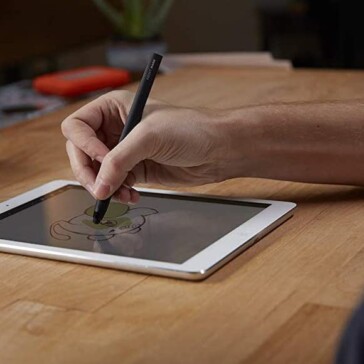
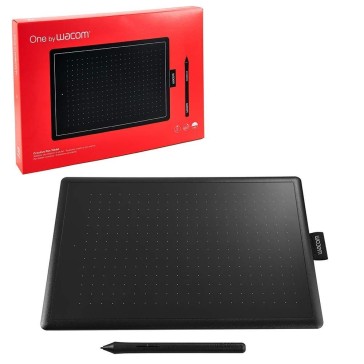
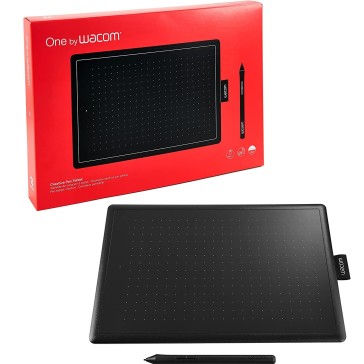
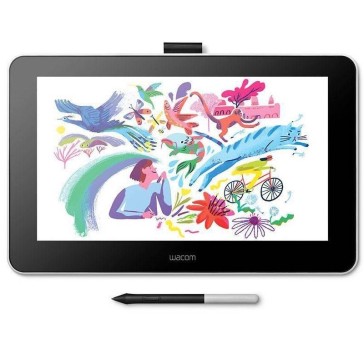
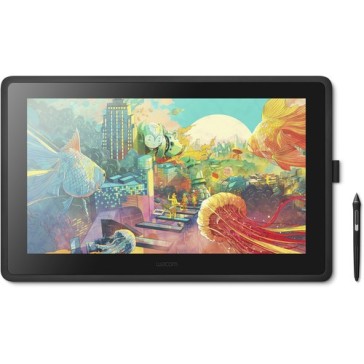
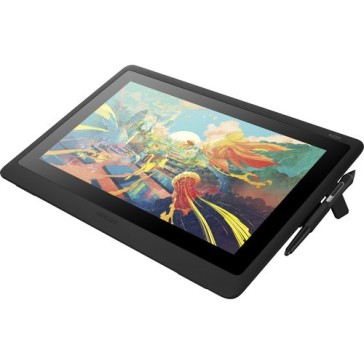
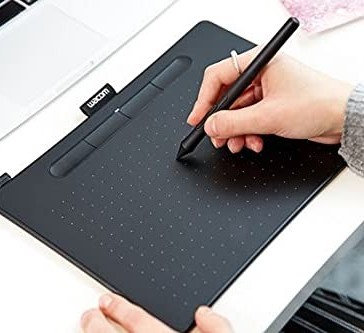
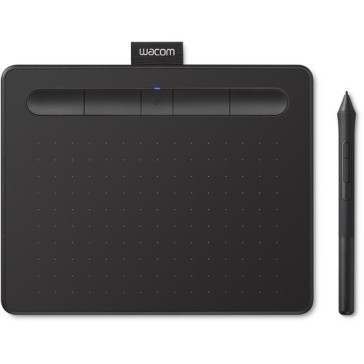
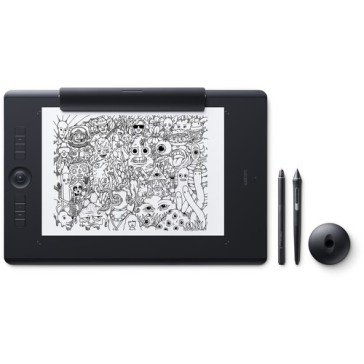
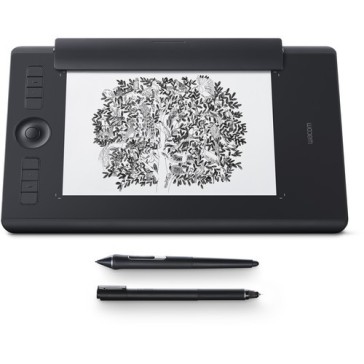
One of the most significant advantages of using a graphic tablet is the unparalleled accuracy it offers. With a stylus in hand, artists can see their strokes appear directly on the screen, ensuring that every detail is captured with precision. This direct interaction eliminates the disconnect often felt when using a mouse, making the drawing experience more intuitive.
3. Versatility and Functionality:
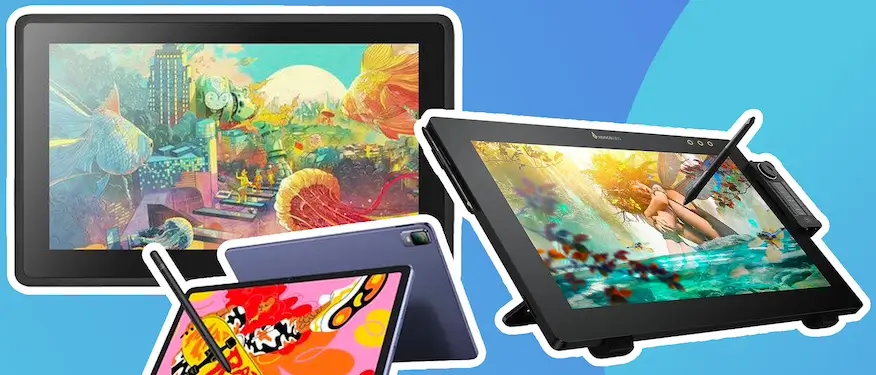
Graphic tablets are not just for artists. Designers, architects, and even educators find value in these tools. Whether it’s creating intricate architectural designs, teaching students online, or crafting detailed illustrations, the versatility of these tablets is undeniable.
4. The Stylus – More Than Just a Pen:
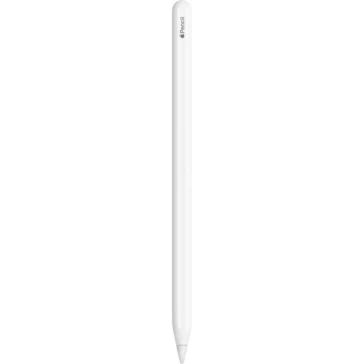
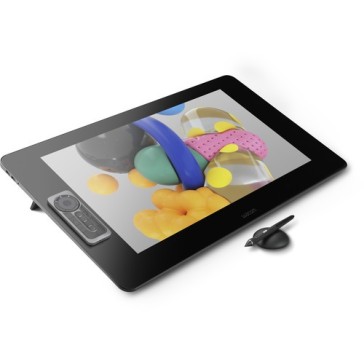
The digital stylus has become an essential tool for anyone serious about digital art. It replicates the feel of drawing with a traditional pen or brush, but with added functionalities. Pressure sensitivity, tilt recognition, and customizable buttons are just a few features that make the stylus an indispensable tool.
5. The Future of Graphic Tablets:
As technology continues to advance, we can expect graphic tablets to become even more sophisticated. Features like augmented reality integration, 3D modeling capabilities, and AI-driven design assistance are on the horizon, promising to elevate the digital art experience to new heights.
Conclusion:
Graphic Tablets & Digital Pens have undoubtedly changed the game for digital artists and professionals. As they continue to evolve, these tools will remain at the forefront of digital innovation, shaping the future of art, design, and beyond.



 Help
Help 00919699976817