 Help
Help  00919699976817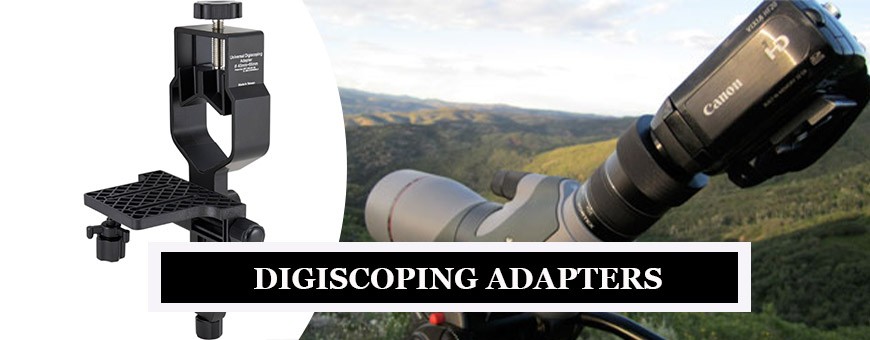
Showing all 4 results
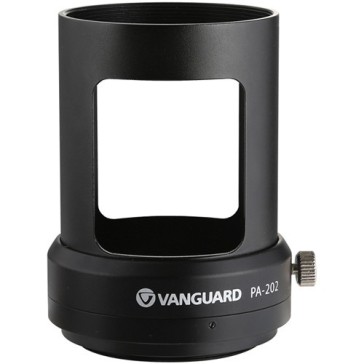
The Ultimate Guide to Digiscoping Adapters
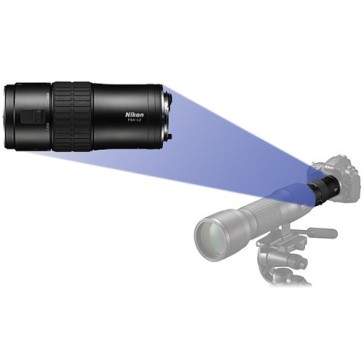
Digiscoping has revolutionized the way we capture distant objects, be it the mesmerizing beauty of birds or the intricate details of the moon’s surface. At the heart of this technique lies the digiscoping adapter, a device that seamlessly connects your camera or smartphone to a spotting scope or binoculars.
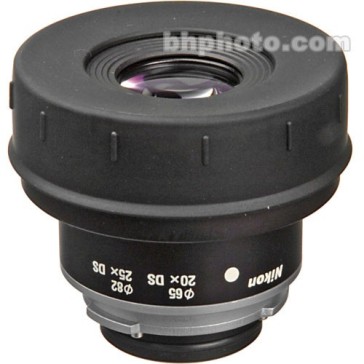
Digiscoping adapters come in various forms, catering to different devices and optics. Whether you’re using a high-end DSLR, a compact camera, or the latest smartphone, there’s an adapter tailored for your needs. Let’s delve into the world of these adapters and understand their significance.
Why Use a Digiscoping Adapter?
Enhanced Magnification: By coupling your device with a spotting scope or binoculars, you can achieve magnification levels that are often unattainable with standard camera lenses.
Stability: The adapter ensures that your camera or smartphone remains stable, reducing the chances of blurred images.
Versatility: Whether you’re into birdwatching, stargazing, or nature photography, a digiscoping adapter can elevate your viewing and photography experience.
Types of Digiscoping Adapters
Camera Digiscoping Adapters: Designed for DSLRs and compact cameras, these adapters often come with T-rings to fit various camera models.
Smartphone Digiscoping Adapters: Tailored for smartphones, these adapters come with adjustable clamps to fit different phone sizes.
Tablet Adapters: Ideal for educators or families who prefer a larger viewing screen, these adapters are designed to fit tablets.
Choosing the Right Adapter
When selecting a digiscoping adapter, consider the following:
Compatibility: Ensure the adapter is compatible with both your optical device (spotting scope, binoculars) and your camera or smartphone.
Build Quality: Opt for adapters made from durable materials to withstand regular use.
Ease of Use: A good adapter should be easy to attach and detach without requiring any tools.
Conclusion
Digiscoping offers a unique way to view and capture the world around us. With the right digiscoping adapter, you can transform your regular camera or smartphone into a powerful telephoto device. So, the next time you’re out in nature, don’t forget to equip yourself with one of these adapters and witness the magic unfold.
A digiscoping adapter’s primary purpose is to connect a camera or smartphone to a spotting scope or binoculars. This allows for enhanced magnification and the ability to capture distant objects with clarity.
Not all digiscoping adapters are universal. It’s essential to choose an adapter that’s compatible with your smartphone’s size and model to ensure a secure fit and optimal image quality.
A digiscoping adapter firmly holds the camera or smartphone in place, ensuring it aligns perfectly with the spotting scope or binoculars. This alignment minimizes shakes and movements, leading to clearer and more stable images.
Several brands specialize in digiscoping equipment. When choosing an adapter, it’s essential to consider its build quality, compatibility, and user reviews to ensure you’re getting a top-notch product.


Most units are shipped same day using professional courier services with tracking.
We work round the clock to ensure you get the highest level of customer satisfaction.
Well packed, Sealed Units are shipped from our warehouse which are waterpoof & sturdy.
Design Info
GST: 27AYUPJ2628P1ZK
No.1, Saremals, Shastri Hall Building,
Nana Chowk, Grant Road West,
Mumbai 400007, Maharashtra, India
New Delhi Branch – South Ex 2, 110049
Also Ships DAILY from Brisbane, Dubai,
Berlin, Barcelona, Detroit & Vancouver.
Connect online / schedule a demo
Call/WhatsApp: +91-9699976817
Email: [email protected]
Live Chat: Business Hours
Follow Us: @designinfo.in
Copyright © 2014-2022 Design Info All Rights Reserved. Feedback on web experience
Since 1969