Help
Help +91 9987296817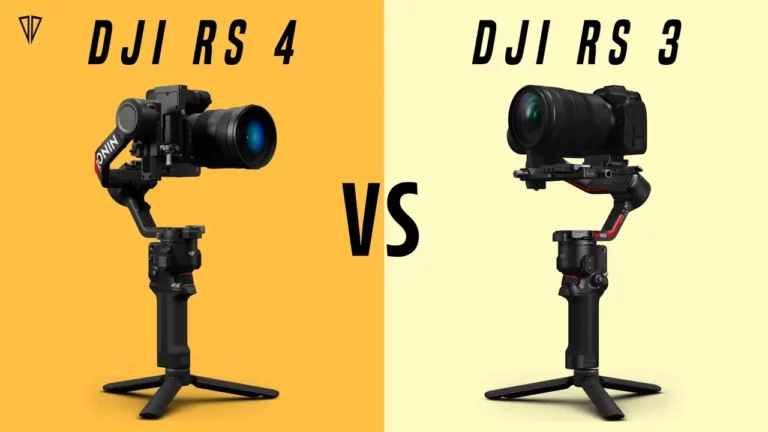
Table of Contents
Introduction
Overview of DJI RS4 Gimbal
Overview of DJI RS3 Gimbal
Comparative Analysis
Practical Application and Use Cases
Conclusion
FAQ
Introduction
In the world of professional videography and cinematography, having a reliable and efficient gimbal is crucial. Gimbals provide stabilization, allowing for smooth and cinematic shots even in dynamic environments. DJI, a leader in drone and camera technology, has been at the forefront of gimbal innovation. Their RS series has set high standards in the industry. In this article, we will delve into a detailed comparison of the DJI RS4 gimbal and the DJI RS3 gimbal, exploring their features, performance, and usability to help you determine which one best suits your needs.
Overview of DJI RS4 Gimbal
The DJI RS4 is the latest addition to DJI’s renowned RS series. It boasts advanced features and improvements over its predecessors, making it a top choice for professionals.
- Product on sale
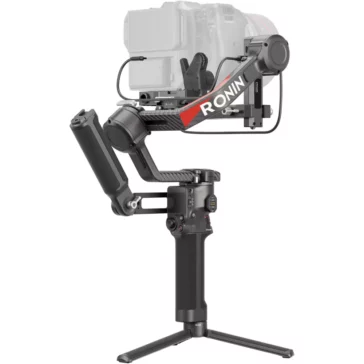 DJI RS 4 Pro Gimbal Stabilizer ComboOriginal price was: ₹112,999.₹99,999Current price is: ₹99,999. incl. GST
 - Product on sale
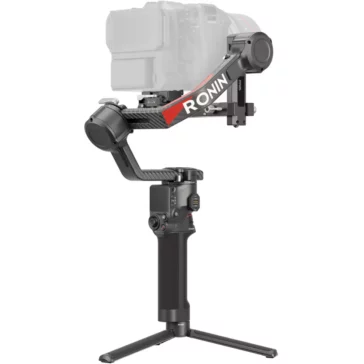 DJI RS 4 Pro Gimbal Stabilizer (RS4 Pro)Original price was: ₹94,999.₹75,999Current price is: ₹75,999. incl. GST
 - Product on sale
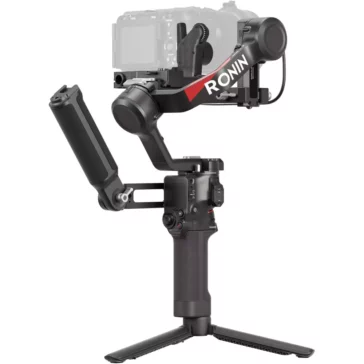 DJI RS 4 Combo Gimbal Stabilizer – ImportedOriginal price was: ₹79,900.₹49,999Current price is: ₹49,999. incl. GST
 - Product on sale
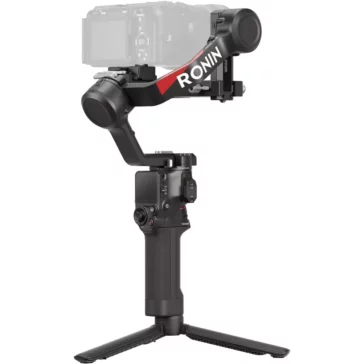 DJI RS 4 Gimbal Stabilizer, 3kg Payload, RS4, ImportedOriginal price was: ₹69,000.₹37,999Current price is: ₹37,999. incl. GST
Key Features of DJI RS4
- Enhanced Stabilization: The RS4 features improved stabilization algorithms, providing smoother footage even in challenging conditions.
- Payload Capacity: With a higher payload capacity, the RS4 can support heavier camera setups, accommodating a wide range of professional equipment.
- Battery Life: The RS4 offers extended battery life, ensuring longer shooting sessions without interruptions.
- Touchscreen Control: A built-in touchscreen allows for easy access to settings and modes, enhancing user convenience.
- Quick Release System: The redesigned quick release system ensures fast and secure mounting of cameras.
- Focus Wheel: The addition of a focus wheel offers precise control over focus adjustments, crucial for achieving sharp shots.
Performance and Usability
The RS4 stands out with its exceptional performance in various shooting scenarios. Its enhanced stabilization ensures minimal shake and jitter, resulting in professional-grade footage. The higher payload capacity allows for versatile setups, including heavy DSLR and mirrorless cameras with additional accessories. The extended battery life is a significant advantage for long shoots, while the touchscreen control and focus wheel add to its user-friendly design.
Overview of DJI RS3 Gimbal
The DJI RS3 has been a popular choice among videographers since its release. Known for its reliability and advanced features, the RS3 remains a strong contender in the market.
- Product on sale
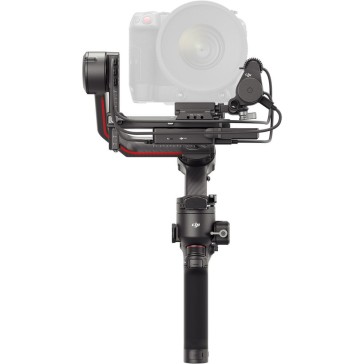 DJI RS 3 Pro Combo Gimbal Stabilizer, RS3 Pro Combo Kit, ImportedOriginal price was: ₹125,000.₹68,999Current price is: ₹68,999. incl. GST
 - Product on sale
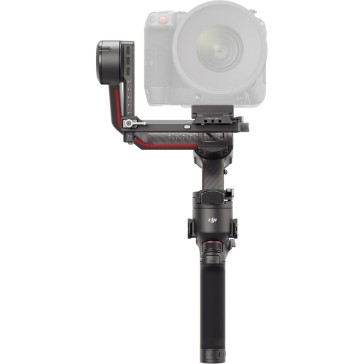 DJI RS 3 Pro Gimbal Stabilizer, RS3 Pro StandardOriginal price was: ₹98,000.₹62,999Current price is: ₹62,999. incl. GST
 - Product on sale
 DJI RS 3 Combo Gimbal Stabilizer, ImportedOriginal price was: ₹85,000.₹45,999Current price is: ₹45,999. incl. GST
 - Product on sale
 DJI RS 3 Gimbal Stabilizer, RS3 Standard – ImportedOriginal price was: ₹65,000.₹37,999Current price is: ₹37,999. incl. GST
 - Product on sale
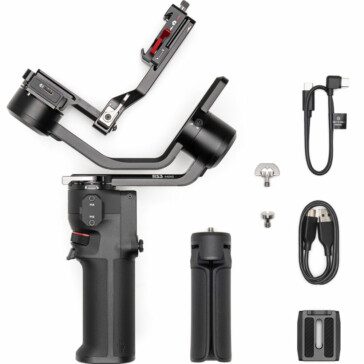 DJI RS 3 Mini Gimbal Stabilizer for Mirrorless Cameras – 2kg Payload, Imported 6 Months WarrantyOriginal price was: ₹39,990.₹17,999Current price is: ₹17,999. incl. GST
Key Features of DJI RS3
- Stabilization: The RS3 provides excellent stabilization, ensuring smooth footage across various shooting conditions.
- Payload Capacity: With a substantial payload capacity, the RS3 supports a range of camera setups.
- Battery Life: The RS3 offers a solid battery performance, suitable for extensive shooting sessions.
- Intuitive Controls: The RS3 features an intuitive control layout, making it easy to adjust settings and modes.
- Quick Release System: The quick release system allows for fast and secure camera mounting.
- Customizable Buttons: The customizable buttons enable users to tailor the gimbal to their specific shooting needs.
Performance and Usability
The RS3 is known for its reliable performance and ease of use. Its stabilization capabilities ensure smooth and professional-looking footage, while the substantial payload capacity accommodates various camera setups. The battery life supports long shoots, and the intuitive controls make it user-friendly. The quick release system and customizable buttons further enhance its usability.
Comparative Analysis: DJI RS4 vs. DJI RS3
Stabilization
When it comes to stabilization, both the RS4 and the RS3 excel. However, the RS4 edges out with its improved algorithms and advanced stabilization technology. The RS4’s ability to handle more dynamic movements and challenging environments gives it a slight advantage over the RS3.
Payload Capacity
The RS4 offers a higher payload capacity compared to the RS3. This makes the RS4 more suitable for heavier camera setups, including professional-grade DSLRs, mirrorless cameras, and additional accessories. The RS3, while still capable, may not support as heavy a load as the RS4.
Battery Life
Battery life is a crucial factor for long shooting sessions. The RS4 outperforms the RS3 in this regard, providing extended battery life that allows for uninterrupted shooting. This is particularly beneficial for professional videographers who require prolonged operational times.
User Interface and Controls
The RS4 features a built-in touchscreen that enhances user convenience, allowing for easy access to settings and modes. The RS3, while having an intuitive control layout, lacks this touchscreen feature. Additionally, the RS4 includes a focus wheel for precise focus adjustments, a feature not present in the RS3.
Quick Release System
Both gimbals feature a quick release system, ensuring fast and secure camera mounting. However, the RS4 has a redesigned quick release mechanism that offers improved efficiency and security compared to the RS3.
Additional Features
The RS4 comes with several additional features that set it apart, including the focus wheel and enhanced touchscreen control. These features contribute to a more seamless and efficient shooting experience.
Practical Application and Use Cases
Professional Filmmaking
For professional filmmakers, the DJI RS4 is an excellent choice due to its enhanced stabilization, higher payload capacity, and extended battery life. These features make it ideal for complex shoots that require reliable performance and flexibility.
Event Videography
Event videographers will appreciate the RS4 for its ability to handle long shooting sessions without interruptions. The improved stabilization ensures smooth footage even in dynamic environments, making it suitable for weddings, concerts, and other live events.
Travel and Adventure Filmmaking
For travel and adventure filmmakers, the RS3 remains a viable option due to its portability and reliable performance. Its stabilization capabilities and substantial payload capacity make it suitable for capturing high-quality footage on the go.
Corporate and Commercial Videography
In corporate and commercial videography, where extended shooting times and heavy camera setups are common, the RS4 offers significant advantages. Its extended battery life and higher payload capacity ensure that professional-grade equipment can be used effectively.
Conclusion
The DJI RS4 gimbal and the DJI RS3 gimbal both offer exceptional features and performance for professional videography. The RS4 stands out with its enhanced stabilization, higher payload capacity, extended battery life, touchscreen control, and additional features like the focus wheel. These improvements make it a superior choice for demanding shoots and professional use.
On the other hand, the RS3 remains a reliable and efficient option, particularly for those who prioritize portability and simplicity. Its stabilization capabilities and substantial payload capacity make it suitable for a wide range of shooting scenarios.
Ultimately, the choice between the DJI RS4 and the DJI RS3 will depend on your specific needs and preferences. Both gimbals uphold DJI’s reputation for quality and innovation, ensuring that you can achieve smooth and professional-looking footage in any situation.