Photography Case Compartments: The Ultimate Guide
Photography is an art that requires precision, creativity, and the right equipment. One of the most overlooked aspects of a photographer’s arsenal is the case they use to carry their gear. Photography case compartments are essential for photographers to organize, protect, and transport their equipment. This article delves into the importance of these compartments and how they can elevate your photography game.
Why are Photography Case Compartments Essential?
Protection: The primary purpose of any case is to protect its contents. Cameras and their accessories are delicate and can be easily damaged by dust, moisture, or impact. A well-designed case with multiple compartments ensures that each piece of equipment has its own space, reducing the risk of items rubbing against each other and causing damage.
Organization: Ask any professional photographer, and they’ll tell you that being able to quickly access the right equipment at the right time can make or break a shot. Compartments allow photographers to organize their gear in a way that makes sense to them, ensuring they can quickly find what they need.
Transportation: Photographers often travel to various locations for shoots. Having a case with dedicated compartments makes it easier to transport equipment without the risk of items shifting around during transit.
Types of Photography Case Compartments
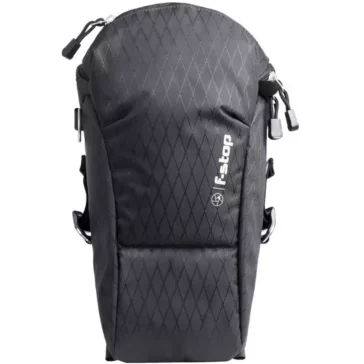
Camera Compartments: These are designed to snugly fit cameras, ensuring they remain stationary during transport.
Lens Compartments: Lenses are delicate and expensive. Dedicated lens compartments are often padded and sized to fit various lens types.
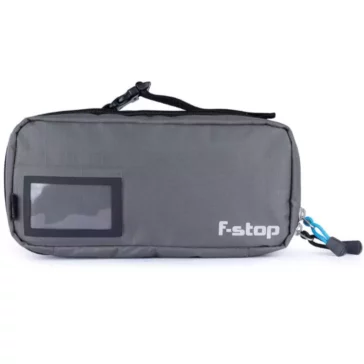
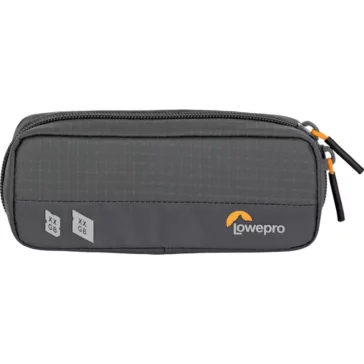
Accessory Compartments: These can range from small pockets for memory cards to larger spaces for flash units or tripods.
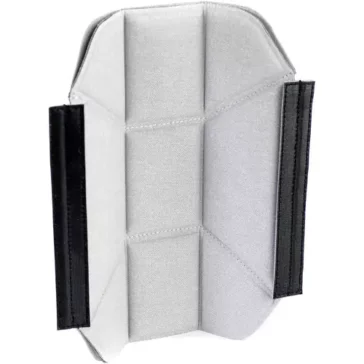
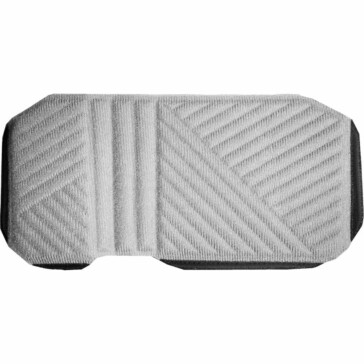
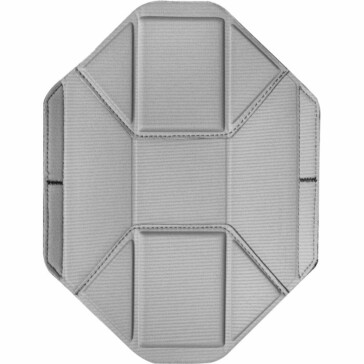
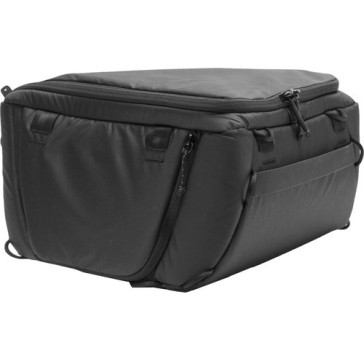
Customizable Compartments: Some cases come with adjustable dividers, allowing photographers to customize the interior of their case based on their equipment.
Choosing the Right Case with Compartments
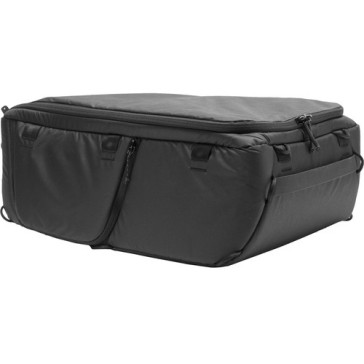
When selecting a photography case, consider the type and amount of equipment you have. Ensure the case has enough compartments for all your gear and that it offers adequate protection against the elements. It’s also essential to choose a case that’s comfortable to carry, especially if you’ll be transporting your equipment over long distances or rough terrains.
Conclusion
Photography case compartments are more than just spaces to store your gear. They offer protection, organization, and ease of transportation, ensuring that photographers can focus on capturing the perfect shot without worrying about their equipment. Investing in a quality case with well-designed compartments is an investment in your photography career.


 Help
Help 00919699976817